

Is cardio or strength training better for weight loss
Weight loss is not about extreme diets or exhausting workouts. It’s about creating sustainable habits that support fat loss while preserving muscle, energy, and overall health. When approached correctly, weight loss improves metabolic health, confidence, and long-term well-being rather than becoming a short-lived cycle of restriction and regain.
This guide breaks down weight loss into clear, achievable components that actually work.
Understanding How Weight Loss Works
At its core, weight loss occurs when the body uses more energy than it consumes. However, how that deficit is created matters just as much as the deficit itself.
Healthy weight loss focuses on:
- Fat loss rather than muscle loss
- Metabolic balance
- Hormonal health
- Long-term consistency
Quick fixes often backfire, while gradual change delivers lasting results.
Nutrition: The Foundation of Weight Loss
Diet plays the largest role in weight loss success. The goal is not eating less, but eating smarter.
Key nutrition principles include:
- Prioritizing whole, minimally processed foods
- Including adequate protein to preserve muscle
- Choosing fiber-rich vegetables and fruits
- Limiting refined sugars and excess calories
- Practicing portion awareness, not restriction
Balanced meals keep hunger under control and energy stable throughout the day.
Physical Activity and Fat Loss
Exercise accelerates fat loss, supports muscle retention, and improves overall health.
Effective weight loss activities include:
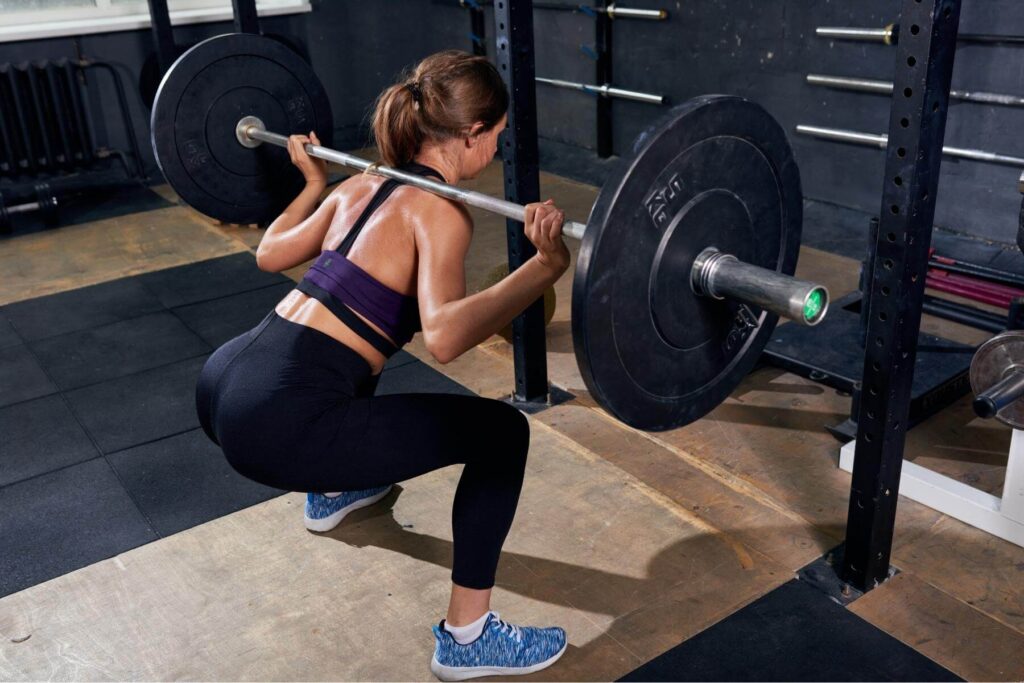
- Strength training to boost metabolism
- Walking or low-impact cardio for consistency
- High-intensity workouts for time efficiency
- Daily movement beyond formal workouts
Exercise works best when paired with proper nutrition rather than used as punishment for eating.
The Role of Sleep and Recovery
Poor sleep disrupts hormones that regulate hunger and fat storage. Even a perfect diet struggles to work without adequate rest.
Quality sleep supports weight loss by:
- Reducing cravings
- Improving insulin sensitivity
- Supporting muscle recovery
- Enhancing motivation and focus
Consistent sleep routines are often an overlooked fat-loss tool.
Stress Management and Emotional Eating
Chronic stress increases cortisol, a hormone linked to fat storage—especially around the abdomen.
Healthy stress management strategies include:
- Regular physical activity
- Breathing or mindfulness practices
- Adequate rest and downtime
- Setting realistic expectations
Managing stress helps prevent emotional eating and burnout.
Setting Realistic Weight Loss Goals
Sustainable weight loss is gradual and steady.
Healthy progress looks like:
- 0.5–1 pound (0.25–0.5 kg) per week
- Improved strength and endurance
- Better energy and mood
- Looser clothing rather than constant scale changes
Focusing on habits instead of just numbers creates lasting success.
Tracking Progress Beyond the Scale
The scale alone doesn’t tell the full story.
Other meaningful progress markers include:
- Waist and hip measurements
- Strength improvements
- Energy levels
- Sleep quality
- Clothing fit
These indicators reflect true body composition changes.
Common Weight Loss Mistakes to Avoid
Avoiding these pitfalls improves long-term success:
- Skipping meals
- Over-restricting calories
- Relying on fad diets
- Ignoring strength training
- Expecting instant results
Consistency always beats intensity.
Building a Lifestyle, Not a Diet
Weight loss becomes easier when it fits into everyday life.
Sustainable habits include:
- Planning meals ahead
- Staying active daily
- Allowing flexibility
- Practicing patience
- Focusing on progress, not perfection
The goal is a healthier lifestyle—not temporary deprivation.
FAQ: Weight Loss Essentials
1. How long does it take to see weight loss results?
Most people notice changes within 2–4 weeks when habits are consistent.
2. Is cardio or strength training better for weight loss?
Both are important. Strength training preserves muscle, while cardio increases calorie burn.
3. Can I lose weight without exercising?
Yes, but exercise improves results, health, and long-term maintenance.
4. Why does weight loss slow down over time?
As the body adapts, calorie needs change. Adjusting habits restores progress.
5. Is rapid weight loss unhealthy?
Rapid weight loss often leads to muscle loss, fatigue, and weight regain.
6. Do I need to count calories to lose weight?
Not always. Many people succeed by focusing on food quality and portions.
7. How do I maintain weight after losing it?
Maintaining weight requires continuing the habits that led to weight loss rather than returning to old routines.
Weight loss is not about perfection—it’s about creating habits you can maintain for life. With balanced nutrition, consistent movement, proper recovery, and realistic expectations, lasting results become achievable and sustainable.


