Lean, Toned, and Strong: How Strength-Based Fitness Classes Singapore Build Muscle Without Bulking
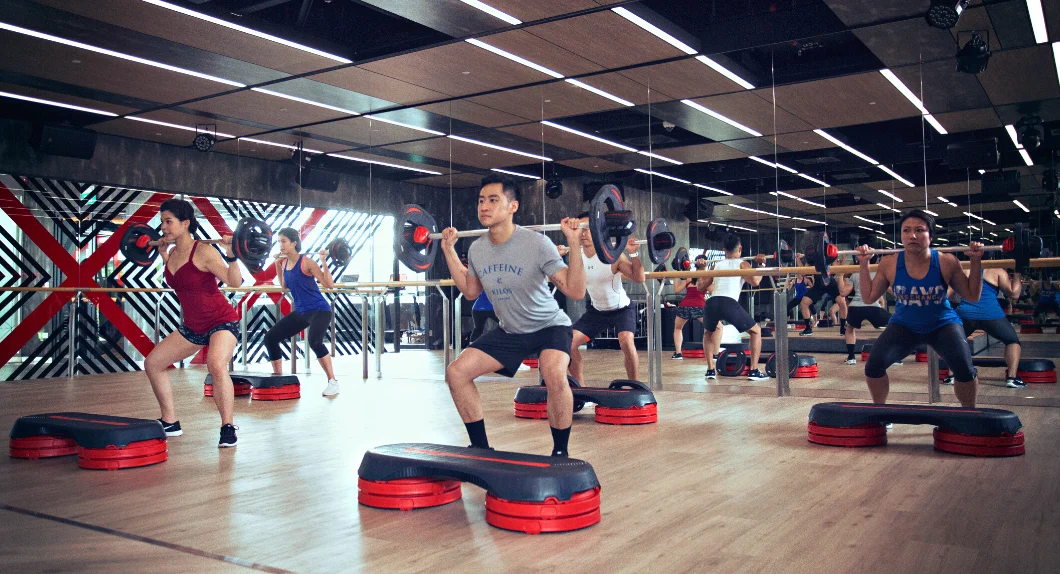
Many people in Singapore want to look lean and defined, but hesitate when they hear the word “strength training”. There is a lingering fear of getting bulky, looking too muscular, or outgrowing clothes too quickly. In reality, lean muscle development works very differently from how it is often portrayed online. Building definition through group training is about precision, not size, and it is one of the most reliable ways to improve body shape, posture, and long-term health.
When used correctly, fitness classes singapore that focus on strength and conditioning help you develop visible tone, improve metabolism, and feel stronger in daily life, without adding unnecessary bulk. The key lies in class selection, repetition ranges, rest periods, and how you support training with simple nutrition and recovery habits.
Understanding what “toned” really means
“Toned” is not a special type of muscle. It usually refers to two things happening at the same time.
Muscle definition versus muscle size
Definition appears when:
-
Muscles are trained consistently
-
Body fat gradually reduces
-
Posture and movement quality improve
Bulking, on the other hand, requires:
-
Heavy loads close to maximum strength
-
Long rest periods
-
High calorie intake over time
Most group strength classes are designed for endurance and metabolic conditioning, not bodybuilding. This makes them ideal for people who want shape and firmness rather than size.
Why women especially worry about bulking
Women often fear strength training due to visual stereotypes. Physiologically, significant muscle size gain is difficult without very specific training and nutrition. Group classes typically involve moderate weights, higher repetitions, and time-based sets, which encourage muscle endurance and definition instead of hypertrophy.
Why strength-based group classes are ideal for lean muscle
Strength classes offer structure and consistency, two factors that matter more than intensity alone.
High-repetition formats create definition
Most group strength sessions use:
-
Moderate weights
-
Repetition ranges between 10 and 20
-
Continuous movement with limited rest
This style:
-
Increases time under tension
-
Improves muscular endurance
-
Elevates heart rate for added calorie burn
-
Encourages lean muscle development
Full-body engagement improves overall shape
Group classes often train multiple muscle groups in one session. This balanced approach:
-
Prevents overdevelopment of one area
-
Improves posture and symmetry
-
Supports everyday movement patterns
-
Reduces injury risk from imbalance
Rather than isolating one muscle, you train how the body actually moves.
Choosing the right weights without second-guessing yourself
One of the biggest mental barriers in class is weight selection.
How heavy is “heavy enough” for lean muscle
A simple rule:
-
The last 2 to 3 reps of each set should feel challenging
-
You should still maintain good form
-
If you can easily complete every rep, increase slightly
-
If form breaks early, reduce weight
The goal is controlled effort, not exhaustion.
Let go of comparison during class
Everyone in the room has different goals, body types, and training histories. Choosing lighter weights does not mean you are weaker. It means you are training intelligently for your objective.
Smart progression happens when you:
-
Increase weight slowly over weeks
-
Improve control before increasing load
-
Focus on quality, not speed
Key movement patterns that shape the body
Lean muscle development depends on repeating the right movements consistently.
Lower body shaping without bulk
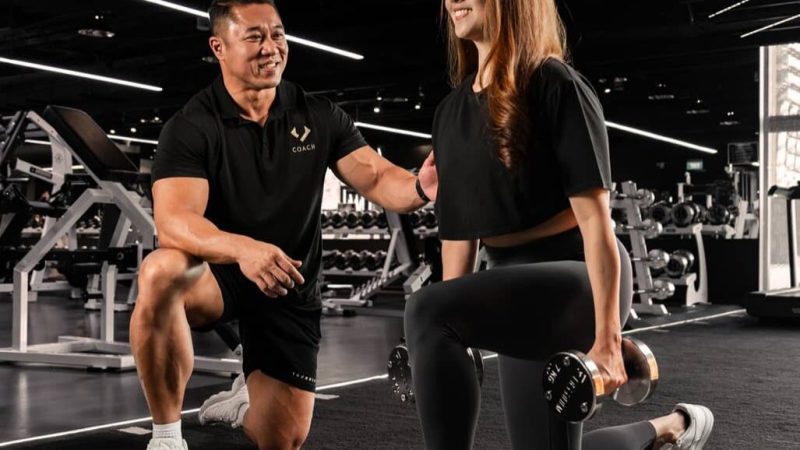
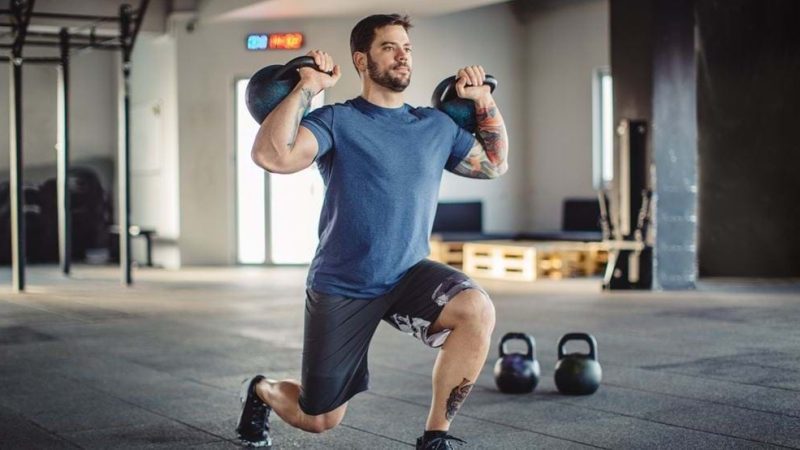
Exercises like squats, lunges, and hip hinges build glutes and legs efficiently when performed with control.
Focus on:
-
Slow lowering phases
-
Balanced weight through the feet
-
Engaging glutes instead of relying on knees
-
Maintaining neutral spine
This approach enhances shape without excessive size.
Upper body definition for arms and shoulders
High-rep pressing and pulling movements help sculpt arms and shoulders.
Benefits include:
-
Improved shoulder stability
-
Defined arms without stiffness
-
Better posture and reduced neck tension
Using lighter weights with excellent form often delivers better visual results than forcing heavy loads.
Core strength that supports everything else
Core training in group classes often involves:
-
Planks and controlled rotations
-
Anti-extension and anti-rotation work
-
Stability under movement
This builds a strong midsection that looks firm and supports every other lift.
Weekly class structure for visible results
You do not need daily training to see definition.
A realistic weekly plan
For lean muscle development:
-
3 to 4 strength-focused classes per week
-
1 to 2 lower intensity or mobility sessions
-
At least one full rest day
Example structure:
-
Day 1: Full-body strength endurance
-
Day 3: Upper body and core focus
-
Day 5: Lower body and glute emphasis
-
Optional Day 7: Mobility or light cardio
This allows muscles to adapt without overtraining.
Why rest days improve definition
Muscle tone appears during recovery, not during the workout itself. Rest allows muscles to repair, adapt, and become firmer over time. Skipping rest often leads to fatigue and stalled progress.
Nutrition habits that support lean muscle without bulking
Food choices influence results as much as training does.
Protein intake without overthinking
Protein supports muscle repair and firmness.
Simple guidelines:
-
Include protein in each main meal
-
Prioritise whole food sources
-
You do not need excessive supplements
Most people benefit from spreading protein evenly across the day rather than consuming large amounts at once.
Carbohydrates and muscle tone
Carbs fuel training and prevent muscle breakdown.
When carbs are too low:
-
Workouts feel harder
-
Recovery slows
-
Muscles appear flat, not defined
Balanced meals help muscles look fuller and stronger without adding fat when portions are sensible.
Hydration and muscle appearance
Proper hydration supports:
-
Muscle contraction
-
Joint comfort
-
Reduced cramping
-
Better workout performance
Dehydration can make muscles feel weak and recovery slower.
Avoiding common mistakes that reduce definition
Many people unknowingly block their own progress.
Training too light for too long
Always using very light weights may feel safe, but it limits muscle stimulation. Gradual progression is essential for change.
Rushing through movements
Fast reps reduce time under tension. Slowing down improves muscle engagement and results.
Ignoring posture outside class
Poor posture during work hours can undo training benefits. Simple awareness of sitting and standing habits helps muscles maintain tone.
Using group classes to build confidence and consistency
Lean muscle development is not only physical, it is psychological.
Group classes help because:
-
Coaches cue proper form
-
Structured timing reduces decision fatigue
-
Progress feels measurable
-
Motivation stays high
For those seeking variety and well-programmed strength formats, True Fitness Singapore offers a wide selection of strength-based group classes that allow you to rotate focus areas while maintaining consistency.
Tracking progress beyond the mirror
Visual change takes time, but other signs appear earlier.
Look for:
-
Improved posture in photos
-
Increased stability during movements
-
Clothes fitting more smoothly
-
Better control during exercises
-
Reduced aches and stiffness
These are indicators of real strength and muscle adaptation.
FAQ, real-life questions about lean muscle and group strength classes
Will strength classes make me bulky if I attend them regularly?
No. Bulking requires heavy loads, long rest periods, and calorie surplus over time. Group strength classes focus on endurance and controlled effort, which support lean definition instead.
How long before I see visible toning?
Many people notice subtle firmness within 4 to 6 weeks, with clearer definition appearing after 8 to 12 weeks of consistent training and balanced nutrition.
Do I need protein shakes to build lean muscle?
Not necessarily. Whole food protein sources are usually sufficient. Supplements are optional and depend on convenience, not necessity.
I feel sore after classes, is that a good sign?
Mild soreness is normal when muscles adapt. Persistent or severe soreness may indicate too much volume or insufficient recovery.
Can I do strength classes if I want to lose fat at the same time?
Yes. Strength training supports fat loss by maintaining muscle mass and improving metabolism. Combining strength with moderate cardio often yields the best results.
What if I feel embarrassed lifting lighter weights than others?
Weight choice is personal. Progress depends on effort and form, not comparison. Most people are focused on their own workout, not yours.
Is it better to train upper body or lower body more often?
A balanced approach works best. Overemphasising one area can lead to imbalance and slower overall progress.
How do I know when to increase weights?
When you can complete all reps with good form and still feel capable of more, increase slightly. Small progressions lead to long-term results.