Why Movement Range Should Be Progressed Alongside Load
Strength progression is often reduced to adding more weight, but load is only one way to make an exercise more demanding. A knowledgeable personal fitness trainer singapore clients consult also tracks the range through which that load is controlled.
A heavier partial repetition is not automatically better than a lighter repetition performed through a greater useful range. Both may have a place, but they create different demands. Progress should therefore consider load, range, control and the purpose of the exercise together.
Range Changes the Mechanical Challenge
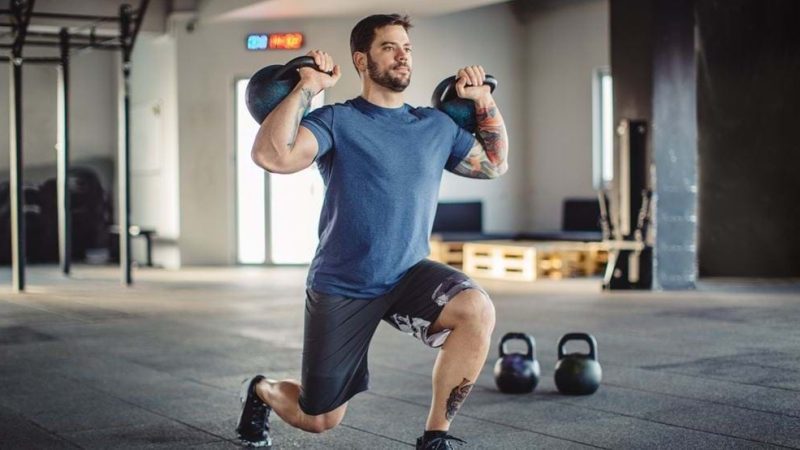
Moving deeper into a squat, lowering further in a split squat or reaching a fuller stretch during a row changes joint positions and muscular demands. The same weight can feel substantially harder when the range increases.
This means adding range is already a form of progression. If a client moves from a high box squat to a lower target while maintaining control, meaningful improvement has occurred even if the external load remains unchanged.
Ignoring this can lead trainers to increase two variables at once. The client receives more weight and a larger range, creating a jump in difficulty that may be greater than intended.
More Range Is Not Always Better
The longest possible movement is not automatically the most useful. Individual anatomy, training goals, comfort and control all influence the appropriate range.
A client does not need to force maximum squat depth if the pelvis shifts, the feet lose stable pressure or discomfort appears. Similarly, lowering dumbbells far below a comfortable position during a chest press may add stress without providing a better training effect.
The goal is a range the client can control and progressively load. That range may expand over time, but it should not be chased simply for appearance.
Establish a Repeatable Starting Range
Before adding weight, the trainer needs a consistent movement standard. A box, bench, marker or equipment setting can provide a clear reference.
For example, a split squat may be performed until the rear knee lightly reaches a pad. A Romanian deadlift may use the point at which the client can maintain trunk control and hamstring tension without changing spinal position.
A defined endpoint allows progress to be measured. Without it, the client may appear stronger only because each heavier repetition becomes shorter.
Range Often Decreases as Load Increases
Clients may shorten movements without realising it. A heavier leg press can lead to a shallower knee position, while a heavier pulldown may stop before the bar reaches the usual endpoint.
This is not always intentional cheating. It may be the body’s way of avoiding the most demanding part of the movement.
The trainer should compare repetitions across loads. If range decreases substantially, the additional weight may not represent the type of progression the programme intended.
Progress Load Within the Available Range
A client does not need full theoretical range before strength training begins. The current controlled range can be loaded appropriately.
Suppose ankle mobility or confidence limits squat depth. The client can build strength using a box squat while separate exercises develop control in deeper positions.
This allows training to continue without treating mobility work as a prerequisite for all meaningful loading. Strength and range can develop in parallel.
Use Tempo to Strengthen New Positions
Newly acquired range may feel unstable because the client has not yet developed strength or confidence there. Slow lowering and pauses can make the position easier to understand.
A pause near the bottom of a squat removes momentum and gives the trainer time to observe pressure and alignment. The load may need to decrease, but the exercise can become more specific to the weak point.
Tempo should have a clear purpose. Excessively slow repetitions can create fatigue that limits the rest of the session without improving the target position.
Range Should Be Earned Under Control
A client may reach a deeper position passively or during a stretch but lose control when returning from it. That range is available, but it is not yet fully usable under load.
The trainer can work slightly inside the controlled boundary and expand it gradually. Isometric holds, assisted variations and reduced loads may help the client build ownership of the position.
The standard for progression is not merely reaching the endpoint. The client should be able to enter, control and leave the position consistently.
Equipment Can Change the Available Range
Machines, cables, barbells and dumbbells create different movement paths. A person who struggles to achieve a comfortable range with one tool may perform well with another.
For example, dumbbells may allow a more individual pressing path than a fixed bar. A heel wedge may support a deeper squat, while a cable can maintain tension through ranges where a free weight provides less resistance.
These changes should be chosen according to the training goal. Equipment variation is useful when it improves the stimulus, not merely because it looks different.
Range Progression Needs Small Steps
Large jumps in depth can increase soreness and expose the client to positions that have not been trained recently. Smaller changes are easier to assess.
A trainer might lower a box slightly, increase the depth of a step-down or adjust a machine by one setting. The load can remain stable while the client adapts.
Once the new range becomes repeatable, weight or repetitions can begin progressing again.
Track Range and Load Together
A training record becomes more useful when it includes the movement standard. Writing only “60 kilograms for eight repetitions” may hide whether the range changed.
Simple notes can include box height, equipment setting, stance, heel elevation or pause position. Video may occasionally help confirm consistency, but it is not required for every set.
The record should make comparisons meaningful. A heavier lift with a shorter range should not automatically replace a lighter, better-controlled performance as the new benchmark.
Programme Goals Determine the Balance
Different goals may justify different combinations of load and range. A client developing general strength may use a comfortable, substantial range. A person training around a temporary limitation may use partial movements deliberately.
Some advanced programmes also use partial repetitions to overload specific positions. That is different from unintentionally losing range because the weight is too heavy.
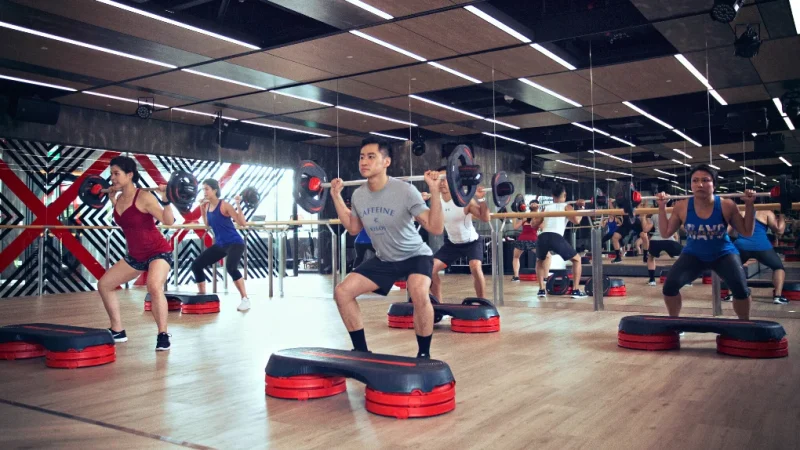
A trainer working at True Fitness Singapore can use varied equipment and exercise setups to match range with the client’s current capacity. The important factor is that the choice remains intentional and measurable.
Progress Is More Than a Heavier Number
Load progression is easy to recognise because the number increases. Range progression can be equally valuable, even when it requires the weight to remain stable or temporarily decrease.
A well-designed programme develops the ability to produce force through useful positions. It does not allow heavier loads to conceal shrinking movement.
By progressing range and load together, the trainer creates strength that is more controlled, repeatable and relevant to the client’s goals.