Stretching Exercises That Reduce Back Pain Naturally
Back pain is one of the most common physical complaints, often caused by prolonged sitting, poor posture, stress, or lack of movement. The good news is that simple stretching exercises can significantly reduce back pain naturally—without medication or expensive treatments. When done consistently, stretching improves flexibility, relieves muscle tension, and supports long-term spine health.
This guide covers the most effective back pain–relief stretches you can safely practice at home.
Why Stretching Helps Relieve Back Pain
Stretching works by loosening tight muscles, increasing blood flow, and restoring natural movement patterns. Many cases of back pain are linked to stiffness in the hips, hamstrings, and lower spine.
Key benefits of regular stretching include:
- Reduced muscle tension and stiffness
- Improved spinal alignment
- Better posture and mobility
- Lower risk of recurring back pain
- Enhanced relaxation and stress relief
Gentle Guidelines Before You Start
To avoid strain or injury, follow these simple rules:
- Stretch slowly and never force a movement
- Breathe deeply throughout each stretch
- Stop if you feel sharp or worsening pain
- Aim for comfort, not intensity
Consistency matters more than duration.
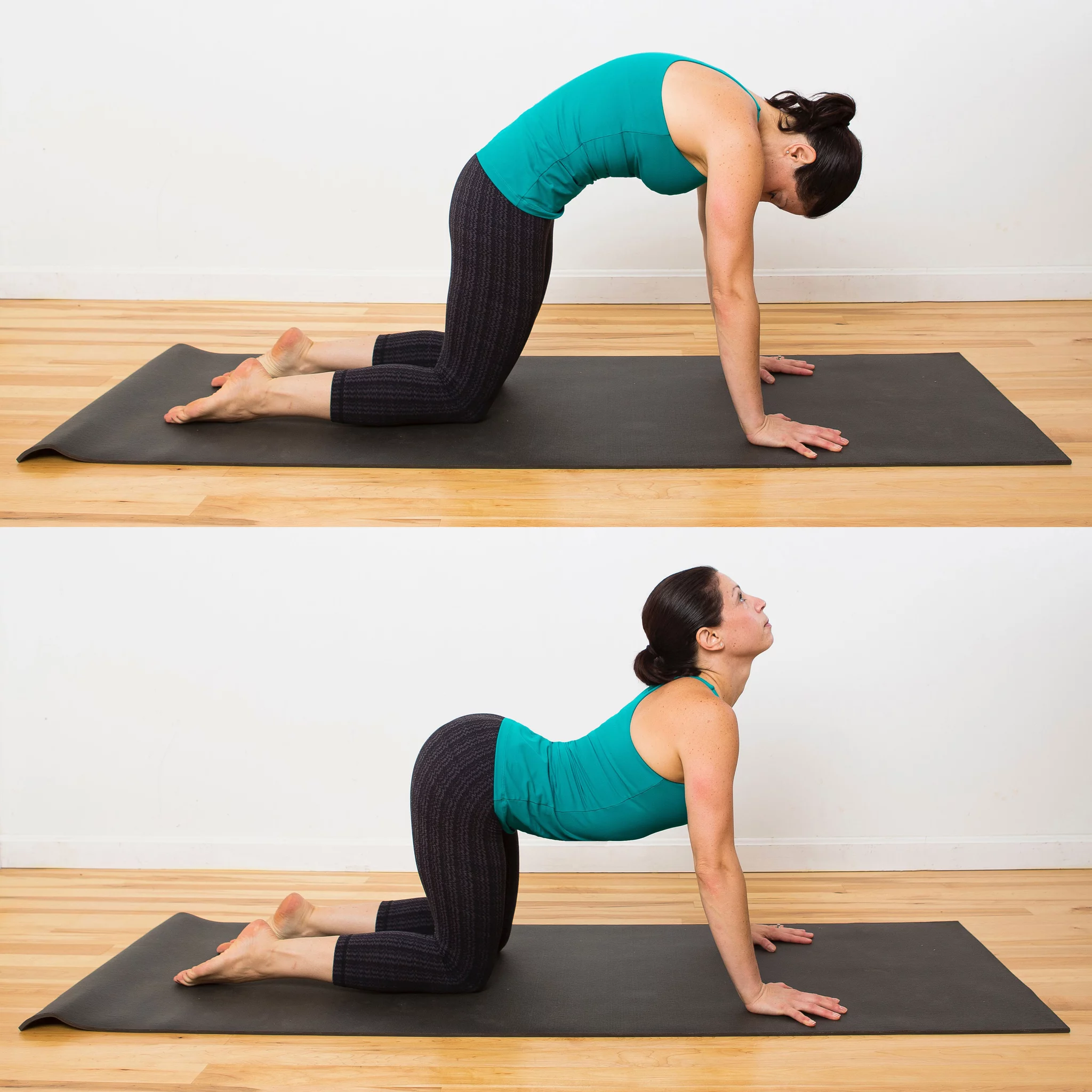
1. Cat-Cow Stretch
This dynamic movement gently mobilizes the spine and relieves tension in the lower and upper back.
How it helps:
- Improves spinal flexibility
- Reduces stiffness after sitting
- Encourages healthy posture
Perform 8–10 slow repetitions, synchronizing movement with breathing.
2. Child’s Pose
A deeply relaxing stretch that decompresses the spine and soothes tight back muscles.
Benefits include:
- Gentle spinal elongation
- Reduced lower back pressure
- Calming effect on the nervous system
Hold for 30–60 seconds while breathing slowly.
3. Knee-to-Chest Stretch
This stretch targets the lower back and glute muscles, helping relieve compression in the lumbar spine.
Why it’s effective:
- Relaxes tight lower back muscles
- Improves hip flexibility
- Reduces stiffness after sleep or inactivity
Repeat 2–3 times, holding each stretch for 20–30 seconds.
4. Seated Spinal Twist
Spinal twists help restore rotational movement and relieve stiffness caused by prolonged sitting.
Key advantages:
- Improves spinal mobility
- Releases mid and lower back tension
- Enhances circulation
Perform on both sides with controlled movement and steady breathing.
5. Hamstring Stretch
Tight hamstrings are a common contributor to lower back pain. Stretching them reduces stress on the spine.
Benefits:
- Decreases lower back strain
- Improves walking and posture
- Supports better pelvic alignment
Hold for 20–30 seconds per leg without bouncing.
6. Pelvic Tilt
This gentle exercise strengthens the core while stretching the lower back muscles.
Why it matters:
- Supports spinal stability
- Reduces lower back discomfort
- Improves core-body connection
Perform 10–15 slow repetitions.
How Often Should You Stretch for Back Pain?
For best results, stretch daily or at least 4–5 times per week. A short 10–15 minute routine is enough to see improvement when done consistently.
Ideal timing includes:
- Morning to reduce stiffness
- After prolonged sitting
- Before bedtime to relax muscles
When Stretching May Not Be Enough
Stretching is highly effective for muscle-related discomfort, but persistent or severe pain may require medical evaluation. Seek professional advice if pain is accompanied by numbness, weakness, or radiating discomfort.
FAQ: Stretching for Back Pain Relief
1. Can stretching completely cure back pain?
Stretching can significantly reduce and manage back pain caused by muscle tightness, but underlying conditions may need additional treatment.
2. Is it safe to stretch with mild back pain?
Yes, gentle stretching is usually safe and beneficial for mild discomfort when done carefully.
3. How long does it take to see results from stretching?
Many people feel relief within a few days, while long-term improvement typically appears after 2–4 weeks of consistency.
4. Should I stretch before or after exercise for back pain?
Stretching after light activity or exercise is generally more effective, as muscles are already warm.
5. Can stretching help back pain caused by sitting all day?
Absolutely. Regular stretching counteracts muscle tightness and poor posture from prolonged sitting.
6. Are morning or evening stretches better for back pain?
Both are beneficial—morning stretches reduce stiffness, while evening stretches help muscles relax and recover.
7. What should I avoid when stretching my back?
Avoid bouncing, forcing movements, or stretching through sharp pain, as these can worsen discomfort.
By practicing these stretching exercises regularly, you can reduce back pain naturally, improve flexibility, and support a healthier, more comfortable daily life.