Best Morning Exercises to Energize Your Entire Day

Starting your day with the right morning exercises can completely change how you feel—both physically and mentally. A short, intentional movement routine helps wake up your muscles, boost circulation, sharpen focus, and set a positive tone for the hours ahead. You don’t need fancy equipment or a long workout; consistency and smart exercise choices matter more.
Below are the best morning exercises that energize your entire day, improve productivity, and support long-term health.
Why Morning Exercise Matters
Morning workouts do more than burn calories. They activate your nervous system, improve blood flow, and stimulate hormone balance early in the day. This leads to better mood, sustained energy, and improved discipline.
Key benefits include:
- Faster mental alertness
- Reduced morning stiffness
- Improved metabolism
- Better stress control throughout the day
- Consistent fitness habits
1. Gentle Stretching to Wake the Body
Stretching first thing in the morning helps release muscle tightness caused by hours of sleep. It prepares your joints and muscles for movement without strain.
Effective morning stretches:
- Neck rolls and shoulder shrugs
- Standing forward fold
- Arm swings and torso twists
- Calf and hamstring stretches
Focus on slow, controlled breathing to enhance relaxation and circulation.
2. Sun Salutation (Yoga Flow)
A Sun Salutation sequence is one of the most effective full-body morning exercises. It combines stretching, strength, balance, and breathing in one fluid routine.
Why it works:
- Activates major muscle groups
- Improves flexibility and posture
- Enhances oxygen flow
- Promotes calm focus and clarity
Perform 4–8 rounds at a comfortable pace to feel energized, not exhausted.
3. Brisk Walking or Light Jogging
A short walk or jog outdoors provides both physical and mental stimulation. Morning sunlight helps regulate your circadian rhythm, improving sleep quality later at night.
Benefits of morning cardio:
- Boosts heart health
- Increases fat metabolism
- Enhances mood through endorphin release
- Improves concentration for work or study
Even 10–20 minutes is enough to make a difference.
4. Bodyweight Activation Exercises
Bodyweight movements activate your muscles and nervous system without overwhelming your body early in the day.
Simple morning circuit (2–3 rounds):
- Squats – 15 reps
- Push-ups – 8–12 reps
- Lunges – 10 reps per leg
- Plank – 30 seconds
This routine builds strength, stability, and confidence to tackle the day.
5. Breathing Exercises for Mental Energy
Breathwork is often overlooked, yet it plays a critical role in morning energy levels.
Try this simple technique:
- Inhale deeply through the nose for 4 seconds
- Hold for 2 seconds
- Exhale slowly through the mouth for 6 seconds
- Repeat for 2–3 minutes
This reduces grogginess, improves oxygen delivery, and sharpens mental focus.
6. Mobility Drills for Joint Health
Mobility exercises keep your joints healthy and prevent stiffness, especially if you sit for long hours.
Key mobility movements:
- Hip circles
- Arm circles
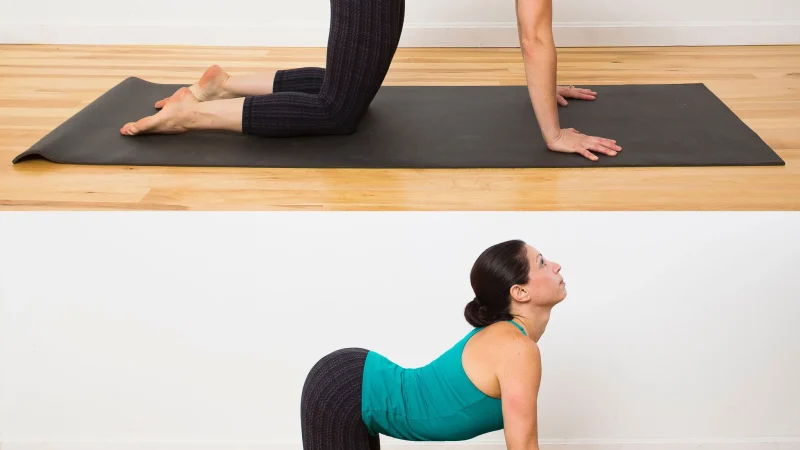
- Cat-cow stretch
- Ankle rotations
These movements improve range of motion and reduce the risk of injury throughout the day.
How Long Should a Morning Exercise Routine Be?
An effective morning routine doesn’t need to be long. 15–30 minutes is ideal for most people. The goal is to feel energized—not drained.
A balanced routine includes:
- 5 minutes of stretching or mobility
- 10–15 minutes of movement (yoga, cardio, or bodyweight)
- 3–5 minutes of breathing or relaxation
Tips to Stay Consistent With Morning Workouts
- Lay out workout clothes the night before
- Start small and build gradually
- Choose exercises you enjoy
- Avoid checking your phone immediately after waking
- Stay hydrated before and after exercising
Consistency matters more than intensity.
FAQ: Morning Exercises for Energy
1. Is it better to exercise in the morning or evening?
Morning exercise is ideal for building consistency, improving focus, and boosting energy for the day, while evening workouts may suit strength or relaxation goals.
2. Can I do morning exercises on an empty stomach?
Yes, light to moderate exercises like stretching, yoga, or walking are safe on an empty stomach for most people.
3. What is the best morning exercise for beginners?
Gentle stretching, walking, and basic bodyweight movements are excellent for beginners.
4. How soon after waking should I exercise?
Exercising within 10–30 minutes after waking is ideal, allowing your body to fully wake up.
5. Do morning exercises help with weight loss?
Yes, morning workouts can boost metabolism, support fat loss, and improve overall activity levels.
6. Can morning exercise improve mental focus?
Absolutely. Physical activity increases blood flow to the brain, enhancing clarity, memory, and concentration.
7. What should I avoid during morning workouts?
Avoid overly intense workouts, skipping warm-ups, or ignoring hydration, as these can lead to fatigue or injury.
By incorporating these best morning exercises, you can transform your mornings into a powerful foundation for energy, productivity, and long-term well-being.